2023. április 29., szombat

Kleopátra és az ókor kortárs metahistóriái


  VII. Kleopátra, a Ptolemaiosz dinasztia és a hellenisztikus Egyiptom utolsó, legendás uralkodója életében is birodalmakat megmozgató erejű nő volt: a Római Birodalom legerősebb férfijait tudta
Liz Taylor

meghóditani éles eszével, karizmájával, bájos jellemével és persze Egyiptom geopolitikai és gazdasági jelentőségével. A nő, aki előtt letérdelt Róma a középkorban se tűnt el a köztudatból, ám az évszázadok változó kulturális és történelmi emlékezete a történelmi Kleopátrából egy új, metahistorikus (elképzelt történelmű) királynőt faragott. A mitizálás legújabb fejezete a XX. században a filmvásznon folytatódott, ahol a görög-macedón származású Ptolemaida uralkodónőt kékszemű, fehér és  európai színésznők játszották (például a legendás Elisabeth Taylor). Kleopátra, mint inspiratív történelmi szereplő és mitizált hősnője a férfiak uralta imperialista történelemnek végül elérte az amerikai BLM (Black Life Matters) mozgalmat is, melynek legújabb terméke a Netflix által forgalmazott, Jada Pinkett Smith rendezte „Cleopatra” dokumentumfilm-sorozat, amelyben az egyiptomi fáraót egy fekete színésznő, Adele James alakítja. A sorozatot beharangozó kisfilmet eddig 2,5 millióan nézték meg (325.000 negatív reakció és mindössze  27.000 kedvelés – a youtube kikapcsolta a hozzászólás lehetőségét, törölve a több ezer kritikus megjegyzést is). A „fekete Kleopátra” ötlete azonban nem az „Afrika királynői” sorozat szerkesztőjének, Jada Pinkett Smithnek az eredeti ötlete.
Netflix sorozat

Kleopátra bőrszine és származása, különböző politikai, ideológiai, emancipációs és tudományos csoportok egyaránt a maguk narratívájához szerették volna alakitani és formálni az ókor talán legismertebb és legbefolyásosabb női alakját.  A fekete Kleopátra ötlete több évtizede létezik már az ókortudományi berkekben is, az elmúlt években pedig a téma része lett a klasszika-filológiai és ókortudományi berkekbe is beszűrődött BLM mozgalomnak. Mary Beard, a nemzetközi ókortudomány legismertebb kutatója és ismeretterjesztője óvatosan fogalmaz VII. Kleopátra bőrszinével kapcsolatban és az ókori irodalmi és ikonográfiai források kétes jellegét, problematikus értelmezhetőségét emeli ki. Ennél már sokkal inkább ideológiai és metahistóriai terepre evez Katherine Blouin, a Torontói Egyetem ókortörténésze, aki több írásában jelezte, hogy a kortárs társadalom szenvedélyes és felháborodásnak hangot adó reakciója (Egyiptomban egy ügyvéd hivatalosan be is perelte a Netflixet, mások a sorozat bojkottjára gyűjtöttek több tizezer aláírást) teljesen ellentétes (?) az ókori emberek mentalitásával, hisz az ókorban bőrszín és etnikai-genetikai származás nem számított. Hasonlóan vélekedett Rebecca Futo Kennedy, a Denison University oktatója is. Blouin ezeket az állitásait nem támassza alá, ignorálva ugyanakkor olyan jelentős köteteket, mint Benjamin Isaac munkája, amely az ókori rasszizmussal foglalkozik. Hasonló témában gyűjtött össze több, paradigmatikus tanulmányt Peter és Ulrike Riemer is 2005-ben az ókori xenophóbiáról szóló kötetükben. A bőrszin ábrázolásának pontos és hiteles, változatos és a nüanszokra is figyelő, részletes esettanulmányait az ókori freskók és fára festett portrék adják: ezek közül kiemelkednek a római kori Egyiptomból fennmaradt fayumi halotti portrék, ahol az elhunyt nők és férfiak, néha gyerekek arcvonásai és bőrszine is rendkívüli változatosságot mutat, ahogy erre
25. dinasztia uralkodója

természetesen számitani is lehet egy olyan vidéken, amely egyesitette már a fáraókori időszakban is a déli, szubszaharai világot (pigmeusok, etiópiaiak, szudáni-meroéi csoportok) a Közel-Kelettel (perzsák, asszírok, zsidók, nabateusok) és a görög világgal. De elég ránézni a hires berlini tondóra is, az egyetlen fára festett római császárt ábrázoló festményre, ahol az észak-afrikai származású Septimius Severus, és gyermekei, Caracalla és testvére, Geta császárok jelennek meg anyjuk társaságában. Berber, észak-afrikai eredetű családként érthető, hogy a kortársak számára fontos volt a göndör, fekete, sűrű hajú Septimius Severus bőrszinét is sötétebbre festeni, de ez nagyban különbözik úgy arcvonásaiban, mint kromatikájában azoktól az apró szobroktól, amelyek például afrikai, szubszaharai rabszolgákat és kereskedőket ábrázolnak a Római Birodalomban.  Hasonlóan gazdag a latin irodalom a fekete Afrikára vonatkozó passzusokban, ahol élesen elkülönítik Észak-Afrika mediterrán világát Közép-Afrikától. Ezek olyan tények az ókorból, amelyeket elfelejteni, módosítani, kitörölni módszertanilag megengedhetetlen egy történésznek, hisz ezt elsőéves történészhallgatóként is minden nebuló megtanulja, hogy történelem-hamisításnak nevezik és azzal az ágens azonnal az ideológiák és politikai harcok terepére lép át, elhagyva Klió tudományágát. Kleopátráról sajnos sem a fayumi halotti portrékhoz, sem a berlini tondóhoz hasonló korabeli ábrázolás nem maradt fent. Forrásaink a történelmi Kleopátráról igen szűkösek és problematikusak: az irodalmi források döntő többségét ellenségei, a rómaiak írtak, többségük nem látta soha a királynőt. Szobrászati ábrázolásai közül csupán a vatikáni és a berlini portrékat tartják hitelesnek és korabelinek, azokon valóban görögös arca van, haja, ajkai mediterrán nőre utalnak. Egyiptomi, fáraói ábrázolásai meglehetősen konzervatív, az óegyiptomi ikonográfiai kánont követi, igy személyes arcvonásaiból nem sok ismerhető fel. Két Pompeiiben fennmaradt falfreskón Kleopátra már mint a római historiográfia újraértelmezett, tragikus hősnője szerepel, görög (fehéres bőrű) nőként, igy azt nem tekinthetjük hiteles, történeti ábrázolásnak. Sírja – a régészet és tudománytörténet nagy bánatára – egyelőre nem került elő, igy értelemszerűen genetikai vizsgálatra nem kerülhet sor. Családjának, a Ptolemaiosz dinasztiának közel háromszáz éves története és szinte teljes családfája ismert az irodalmi forrásokból. Azokból tudjuk, hogy a görög-macedón származású királyi család Nagy Sándor után szigorúan, mai szemmel nézve vérfertőző módszerekkel igyekezett fenntartani a családi vonal „tisztaságát”, ám ez a három évszázad alatt értelemszerűen nem működött. A Ptolemaidák családjába Szeleukida, perzsa tagok is kerültek és nem kizárt, hogy esetleg helyi, óegyiptomi elemek is. 
Kleopátra portré Berlinből

Nem hozott túl sok sikert a régészeknek és a tudománynak az az epheszosszi csontváz sem, amelyet a 2000-es évek elején IV. Arszinoé, VII. Kleopátra testvérével azonosítottak, igen vitatható módszerekkel. A sajtó azonnal felkapta a hírt és „afrikai csontvázról” beszélt. Kleopátra érméin görögös vonásai ismételten inkább a numizmatikai-politikai ikonográfiának a sematikus vonásait láthatjuk, amely sokat nem árul el a történeti Kleopátra külső vonásairól. Míg a történelmi uralkodónőt tehát nehéz rekonstruálni a hiteles források alapján, a történetírás és kollektív emlékezet immár két évezrede, az első századi Pompeii falfreskóktól kezdve egészen a Netflix fekete Kleopátrájáig, állandó metahistóriai termékként alakítja, formálja és használja fel a mitikus uralkodót saját, kortárs céljaira. Ilyen szempontból, igaza van Rebecca Futo Kennedynek, hogy Kleopátra bőrszine körüli vita nem más, mint egy kortárs probléma és egy metahistóriai következménye a legendává lett történelmi személyiség újraértelmezésének, amely kortárs rasszizmusát és kulturális konfliktusait (különösen az Egyesült Államok és a világ többi része között egyre inkább feszülő ideológiai távolodást) jelzi. Kennedy azonban nem idézi például az Appendix Vergiliana, Moretum című szövegét, amelyben az afrikai nőket bőrük, ajkaik alapján azonosítanak az ókoriak, csakúgy, ahogy a XVIII. század óta az orvostudomány tette: „erat unica custos Afra genus, tota patriam testante figura, torta comam labroque tumens et fusca colore, pectore lata, iacens mammis, compressior alvo, cruribus exilis, spatiosa prodiga planta”. Azt tehát nehéz ráhúzni az ókori rómaiakra, hogy számukra jelentéktelen lett volna egy személy eredete, külső vonásai és azok kulturális identitással, nemegyszer gender identitással történő azonosítása. Ez a XX. század első felében még tényként jelent meg az ókortudományi szakirodalomban, amely gazdagon idézi az ókori szerzők etiópusokat fizikai jegyeik alapján elemző szöveghelyeit. A 2013-as „Race and Ethnicity in the Classical World: An Anthology of Primary Sources in Translation” cimű kötetben még Kennedy és társai is bőségesen idézik azokat az ókori latin és görög szerzőket, akik nagy hangsúlyt fektettek az ókori kortársaik fizikai adottságainak leírásában és az emberek testi különbözőségeik és változatosságuk csodálatában.  Már abban a kötetben is szembetűnő azonban a dualizmus: „fekete” és „fehér” kategóriák jelennek meg leggyakrabban a bevezetőben és kevés szó esik a mediterrán világ sajátos változatosságáról, különösen az Észak-Afrikához köthető berber, sémi és egyiptomi csoportokról. A kötet helyesen állapítja meg, hogy az ókoriak számára érthetetlen lenne a „rassz”, „faj” és „etnikum” fogalmak, bár ezeket maguk is gyakran használták, teljesen kaotikus módon (genos, ethnos, ethnê, phulê). A 2013-as kötet – a maga problematikus, de még nagyon visszafogott és viszonylag kortárs ideológiáktól mentes bevezetőjéhez képest már sokkal személyesebb és militánsabb hangot üt meg Shelley Haley ókortörténész népszerű tanulmánya, amely a critical race theory elméletének ókortudományi perspektívairól ír. A tanulmány – szubjektív hangneme ellenére – egy mondatában mégis le merte írni: „számított-e a rómaiaknak az, kinek milyen a bőrszíne? Igen.” (Haley 2009, 30.). Az más kérdés, hogy akkor még nem feltétlenül társítottak olyan kulturális vagy akár tudományos, medikalizált fogalomtárat ezen jelenségekhez, mint a kolonialista európaiak a XVIII. század óta, de az a források tükrében bizonyos, ha Kleopátra fekete afrikai lett volna, azt a rómaiak hangsúlyosan leírták volna, megemlítik és ábrázolják. A fennmaradt „etiópus” vagy „négus” ábrázolások és irodalmi referenciák ezt egyértelművé teszik. A Netflix Kleopátra sorozata tehát egy évtizedek óta gyarapodó vitának az újabb fejezete, amely az ókort felhasználja kortárs társadalmi vitákra. Az ókori Egyiptom történelmét ismerve különösen kár, hogy az „Afrika királynői” sorozatban egy olyan történelmi személyt tettek feketévé és a BLM mozgalom ókori előfutárává, akinek egyértelműen semmi köze nem volt a közép-afrikai kulturális miliőhöz. Sokkal autentikusabb lett volna az ókori Egyiptom 25. számú dinasztiájának (Kr.e. VII-VIII. század) nubiai (mai Szudán) fáraóit és feleségeiket népszerűsíteni: Egyiptomot 2700 éve valóban meghódítottak a kusita uralkodók és ábrázolásaikban ma is büszkén hirdetik sajátos kulturális és biológiai sajátosságaikat fővárosukban, Napatában és Egyiptomban is. Sokkal fontosabb lett volna, ezt a kevesek által ismert történelmi kort előtérbe helyezni, amely nagy eséllyel pozitív visszhangra lelt volna úgy a történészek, mint a továbbra is elfeledett és a fehér, európai történelem által háttérbe szorított afrikaiak körében. Ahelyett, hogy az ókori Egyiptom egyetlen, valóban fekete fáraóit és feleségeikről készült volna el a filmtörténet alighanem legelső sorozata, itt egy újabb Kleopátra film, amely nagy eséllyel elég sok leiratkozó tagot fog hozni a történelemhamisításban már jártas Netflixnek.

Fayum múmia portrék a római korból


2023. március 23., csütörtök

A pluralizmus csúfos bukása Erdélyben

 Pluralisták Erdélyben: igy nevezi magát egy kis csoport, amelynek céljai ugyan nem teljesen egyértelműek, de alapitó peticiójukban a regnáló magyar kormány ellen és az alternativ politikai hangok, a politikai sokszinűség (?) és a demokrácia védelme mellett törtek kardot. Nemes célok, nincs is ezzel semmi baj, hogy ilyen is kell legyen Erdélyben, miért ne. Nem baj az, hogy Erdély 1,1 milliós magyarságának döntő többsége nem igy gondolkodik, ez is kell és helyes, hogy létezik alternativ, más hang is. Az, hogy miért pluralistáknak nevezik magukat, már sokkal problematikusabb, hisz a pluralizmus az én meghatározásomban azt jelenti, hogy a világ komplex, bonyolult, sokszinű és sokoldalú, amelyben nem csak egy politikai, vallási, kultúrális világnézet érvényesül (nem csak a liberális, nem csak a keresztény-konzervativ, nem csak egy szocialista, nem csak egy marxista, stb.), hanem ezek egymás mellett vagy egymással párhuzamosan léteznek. Gondoljunk bele: mi a közös pont egy ateista, nyugati, neoliberális (vagy kapitalista realista ahogy Mark Fisher fogalmazott) és egy fundamentalista arab között? Mi fogja összekötni az evangelista republikánust és a pakisztáni átlagembert? Mi adja a közös nevezőt a székelyek és az olaszok között? Mi mind mások vagyunk, sokszor szakadéknyi világ választja el az egyéneket és közösségeket egyaránt. Ami közös vonás, az minimális: ezen nincs mit osztani itt. Annyira eltérő világok léteznek ma is - ahogy minden történelmi korban - hogy "egyetemes", közös vonásokat találni nagyon nehéz. Egyesek ezt a joggal, egyetemes emberi jogokkal próbálják megtenni. másik "demokrácia indexxel" vagy demokrácia-alapelvekkel, megint mások egy új vallási-morális irányzatként létrejött humanista deontológiával. Bárhogy is nevezzük, a jogi keretre épülő világnézetek is sokszor különböznek és konfliktusba tudnak kerülni, mivel sokszor olyan szubjektiv, nagyon nehezen meghatározható, szinte teológiai, filozófiai fogalmakkal dolgoznak, mint a "jó", "rossz", "igaz", "hamis", "normális", "anormális" és igy tovább. Ezek meghatározása nem minden kultúrában azonos: sose volt, nem tudom, mikor lesz egyetemesen egységes. Ennek a fájdalmas, de teljesen valós és tagadhatatlan axiómának a léte adja a világ pluralizmusának az abszurditását. Keresni a "Weltethost", ahogy Hans Küng fogalmazott, vagy ahogy Habermas (a liberalizmus nevében) és Ratzinger (a konzervativizmus nevében) próbálta a közös nevezőt megtalálni a legendás vitában.  Még olyan elmék, mint Ratzinger és Habermas se jutott el a közös nevezőhöz, arra, hogyan tud konfliktus-mentesen élni a konzervativ, vallásos és a szekuláris, progressziv, gazdaságában neoliberális világ. Habermas maga jelenti ki, hogy ideológia, világnézeti semlegesség nincs az államhatalmak erre képtelenek, hisz a szekularizmus eleve világnézet, amely de facto szembe megy a vallásos világnézettel (és folytathatnánk a sort).

A pluralizmus tehát, a szónak valóban bonyolult, valóban globális - de akár glokális, magyarországi és erdélyi viszonylatában is - nem egy egyszerű fogalom, mint amilyen a politikai szótárakban szerepel és amely jellemzően a liberális demokráciák monopoljából nézi ezt a fogalmat. Talán hasznos is lehetett volna egy ilyen csoport, hisz valóban releváns, valóban fontos problémát vet fel: a már tényként idézett többpólusú világ (arabok, kinaiak, ortodox oroszok, neoliberális amerikaiak és szövetségeseik, a feltörekvők és az útat kereső globális dél) egy kulcsszava kell legyen a glokális pluralizmus. Hogyan tudjuk egymást elviselni, egymás világnézetét elfogadni anélkül, hogy annak épitő elemeit ne lássuk támadási felületnek. Tud-e egy transzgender ember toleráns lenni egy vallásos emberrel és forditva? Tud-e egy vallásos arab egy meleg városnegyedben élni? Lehet-e birálni úgy Izraelt és kormányát, hogy ne nevezzenek azonnal antiszemitának? Lehet-e, kell-e birálni az Amerikai Egyesült Államokat, mint impériumot anélkül, hogy orosz-pártinak nevezzenek?  Lehet-e beszélni globális elitről, nemzetek feletti gazdasági és hatalmi hálózatokról anélkül, hogy konteósnak nevezzenek?  Lehet-e idézni Agambent lockdown ügyben, vagy Sunetra Gupta és Jay Bhattacharya professzorokat oltásokról? 

Ezeket a kérdéseket kicsiben, Erdélyben is meg lehet(ett) volna fogalmazni. Hogyan találja meg Erdély a maga sajátos útját a kortárs, globalizált Európában anélkül, hogy lokális értékeit elveszitse? Mert az érték-őrzés per se egy konzervativ aktus: a múlt, a status quo iránti hűség a konzervativizmus egyik alapja. Ez pedig egy erény, ez szükséges, ez fontos, hisz ez adja a világ sebességének szükségszerű fékét, tükrét, a progresszivizmus önreflekcióját. Olyan ez, mint az óegyiptomi Maat: nincs progresszivó konzervativizmus nélkül, mert kibillen a világ-egyensúly. Két olyan világot kell harmonikusan Erdélyben is egybetenni, amelyben drámai feszültségek vannak, évezredes hagyományok feszülnek kényelmetlenül egy változó és sebességében jogosan birálható változás előtt. A problémák többsége globális, igy megoldása nem lehet lokális, de egy részük nagyon is helyi, provinciális.

Ezek tehát releváns kérdések lennének Erdélyben is és szinte mindenhol a világon, ahol jelenleg ilyen világnézeti feszültségben keresik útjukat a világban generációk, közösségek, egyének. 

Sajnos az erdélyi "pluralisták" nem ezt a dialógust képviselik, hanem egyértelmű elköteleződést a globális, szekuláris és neoliberális világképpel. Ezzel sem lenne baj persze, sok párt, sok egyesület, egyén teszi ezt: joga van hozzá, csak ne használjon hibás nevet. Azt vallják, hogy hazugnak nevezni valakit, aki rágalmaz egy embert valótlanságokkal, helytelen, valóságtól elrugaszkodott mondatokkal, helytelen és elfogadhatatlan. A hazug szó része a magyar nyelvnek: nem sértés, nem vulgáris - csupán igaz, ami - mint a hagyományokból tudjuk - néha fájni tud. Ha tehát valakit hazugnak nevezünk, nem sértegetünk, hanem igazat mondunk. Persze lehet igazat mondani köntörfalazva, becsomagolva, hosszú mondatokban is - lehet elegánsabb, de a végeredmény ugyanaz. Ezt sem fogadják el a pluralisták: helyette azonban ők "kommunistáznak", "maoistáznak" és megannyi más módon alázzák és karaktergyilkolják azokat, akiknek világnézetük radikálisan eltér az övékétől. Ebben nem tudom mi a pluralizmus, hisz olyan visszhangszobásan zeng egyetértésülk, hogy unott hangjukat a tihanyi echó csengi vissza. 

Zárt csoportjukban engem 80 kommentben "elemeznek" nagyjából úgy, ahogy Suetonius akart portrékat rajzolni emberekről, akiket soha életében nem ismert meg, nem látott, nem is tudta kik voltak. Úgy hivják ezt a mi szakmánkban, hogy metahistória, pszeudo-történetirás. Olyan emberek ezek, akik többsége soha nem találkozott velem, soha nem ismert, de máris azt hiszik, hogy két szóból megalkotnak, sőt, verdiktet is mondhatnak egy emberről. Ki jogositotta fel Fosztó Lászlót, Gáspárik Attilát, Magyari Nándor Lászlót, Török F. Lászlót,  Parászka Borokát, Plainer Zsuzsát, Szeghalmi Örst, Markó Lászlót vagy Kulcsár Árpádot, hogy az önvédelem lehetőségének hiányában egy jogilag egyértelműen köztérnek számitó, 600 fős zárt fórumon engem elemezzen? Én nem.

A világnézeti, politikai pluralizmus valóban paradoxon: Ninian Smart erre rámutatott egyik tanulmányában. Nagyon nehéz összeegyeztetni akár a világvallások világnézeteit, akár a politikai ideológiákat (amelyek nagyon szokszor valláspótlók - ahogy ezt Emilio Gentile bizonyitotta már), hisz hol a politikai pluralizmus fog konfliktusban állni a kulturális vagy jogi hagyományokkal, vagy forditva. Van aki szerint nem is kell: lehet ez igy van jól? Nem tudom. Tényleg nem. De amennyiben egy monolit, liberális világrendet hirdető csoport akar pluralizmusról beszélni, akkor legalább önmagával legyen őszinte és nevezze magát annak, ami: liberálisnak. Lehet többet érnének, mint a pluralista fogalommal, amely nagy falatnak tűnik nekik, hisz egyértelmű, hogy világnézeti perspektivákban ők nemhogy nem pluralisták, de  kifejezetten dogmatikusak. 

Én szurkolok a pluralizmusnak Erdélyben, mert Erdély tényleg pluralista történelmi gyökerei révén: de az erdélyi pluralizmusban helyet kell majd kapjon a keresztény-konzervativ világkép, a szociális érzékenység és ha kell, a liberalizmus is. Kérdés, hogy ezeknek melyik formája, milyen mértékben, milyen globális vagy lokális sajátossággal fog érvényesülni. Az biztos azonban, hogy az erdélyi pluralisták monolitikus világképpel rendelkeznek és ezzel nagy sikert nem fognak aratni hosszú távon. Majd meglátjuk, Kronosz nagy úr, mindenek feletti.

Habermas és Ratzinger: ők sem jutottak közös nevezőre,
 de legalább megpróbálták


2023. február 19., vasárnap

Egy disztópikus elmélet a világról

 Mi lenne, ha valaki elolvasná ezt a hipotézist néhány évszázad távlatából? Hogyan látná az ember önmaga történetének 20-21. századi alakulását? Sose tudjuk meg, de nem árt azért a nagy képet végig figyelemben tartani. 


 Az államok - főleg nemzetállamok - végét hirdetik  a döntően az angolszász világ által vezetett globalista szónokok évtizedek óta. Ennek érdeklében nemzetfelletti szövetségek, hálózatokat hoznak létre, globális cégeket és kvázi-rabszolga hadseregüket (korporatisták) applikációkkal és technológiával teljes kontroll alatt tudják tartani (surveillance culture avagy figyelni "under and over the skin"). Aki pedig még nem fér be ebbe a képletbe, demonizálják, kizárják, különösen az eurázsiai kereskedelmi egységre törekvőket és a selyemútak hálózatát. Ennek a hipotézisnek a tükrében minden lépés - az internet folyamatos bevezetése, a facebook létrehozása, az okosvárosok, a 15 perces városok, a covid-lockdown és a biopolitika - egy disztópia szerteágazó, bonyolult és lassan adagolt fejezetei. Ezek Messiás-tudatú, egyetemes tervekkel rendelkező, türelmes emberek (elvégre 100 évet élnek) és több generáción át terveznek. Aki nincs velük, az ellenség, esély sincs harmadik utasnak lenni? Pedig erre is sokszor volt igény, sokaknak össze is jött. 


2022. december 28., szerda

List of gratitudes 2022

 Needless to say sadly, 2022 was now the third hard year we are facing since the pre-pandemic period. It seems that these maladies are comming like in old myths and histories, together one after another. The war did not affect us directly, but it does our everyday life and politics daily.

In this new madness which affects more and more the world and made an almost gnostic dualism in the West, an artificial "left" and "right" war (which actually is more complex), I tried to find sanity and my own islands of happiness in meetings, personal experiences, a record number of conferences and travelling. This year was so intense than the previous 2 together. Extraordinary in the accummulated experiences and academic achievements, but also very demanding for my body and soul. Next year I will put more effort to spend time with myself and will put aside the academic life, at least on nr. 2 or 3. 

I don't have illusions when it comes to the future year, that our global struggles as humanity will continue in 2023 too, but I do hope that these evil energies will not win and the energy of creation will conquer all of us.

Here is my list of gratitudes for 2022: 

  • I am grateful for my family and friends, those few who always helped me in this year and those who are far from me, but we are in constant and living connection. Their physical and spiritual aid is priceless and represents the human fuel of life in a world of transhumanism. 
  • I am happy to spend so many amazing hours with friends and colleagues in Split, Vienna, Budapest, Sibiu, Cluj, Bontida, Balatonfüred, Rome, Athens, Zagreb, Poetovio, Erfurt, Graz and Timisoara. Amazing experiences, although way too much for a year. 
  • Glad to publish the major results of my previous 3 years research on Roman religion in the Danubian provinces (a book, a digital map and at least 11 studies). After my PhD, this was the most demanding and hardest job I done.
  • Glad to see live again Moderat, GusGus, Molchat Doma, Acid Arab and many other amazing musical experiences in this summer. 
  • Happy to see so many amazing museums and libraries in 2022 in Vienna and Rome especially. 
  • Glad that I am alive and avoided major health issues, although I had several flues and viruses this year too. 
  • Happy I still have a job in academia, which is more and more difficult today, especially for my generation. I feel lucky in many sense.
  • Grateful for those who helped me in Szeged and Vienna to receive a habilitation stipendium, which allows me to have a decent life and research perspectives for the next 3 years. 
  • Happy, that I found this year new friends and allies, although its not easy today to built up new relationships and friendships. I lost few colleagues this year too, who cannot accept my views on politics, biopolitics and other issues from this gnostic, dualist world.
Lets hope, we will have a peaceful year in 2023, or at least those who want wars and division will fail. 


2022. november 27., vasárnap

"Emperor Sponsianus" and the crisis of Roman Studies

 In recent days, the world press - and now the Romanian press as well - has been covered by the news that in 1713 in Transylvania (at an as yet unknown location and under circumstances) a specific group of gold coins found by the leaders of the Habsburg administration, the so-called Sponsian coins would not be fakes, but originals. If this turns out to be true, then a new chapter must be opened in the third century history of the Roman Empire, the so-called in the chronicle of the age of soldier-emperors, which is complicated and contains many historiographical mysteries. If the coins in question are original, then Sponsianus would be a self-proclaimed Roman emperor who has not been preserved in written form by universal historiography, and thus the province of Dacia would have its own usurper, usurper of the throne. This would not only represent a never-before-seen chapter in the history of Transylvania, but the III. a new chapter of the second half of the 20th century would open up before us.

the Sponsianus coin from Glasgow. After Pearson et al. 2022.

The so-called One of the Sponsian coins came into the possession of Baron Samuel von Brukenthal at the end of the 18th century, while another specimen ended up in Glasgow, Scotland, during a long and adventurous journey. The Scottish coin was recently examined by Paul N. Pearson and his colleagues in a study published in the prestigious scientific journal Plos One. The peculiarity of Plos One is that it is an interdisciplinary journal, so it is not primarily one of the canonical, recognized and prestigious journals for the research of Roman history, but rather a well-known forum among practitioners of the natural sciences. The Journal of Roman Studies, Journal of Roman Archeology or Le Bulletin Numismatique are among the most important journals of Roman historiography. Apart from the not at all incidental fact that the study was not published in one of the prestigious, specialist journals of Roman Empire research, but in an interdisciplinary and demanding journal with a peer-review system, the study by Pearson and his colleagues barely half a year after the new it was published after his book, whose list of acknowledgments already includes the Glasgow Museum and the Sponsianus medal (Paul Pearson, The Roman Empire in Crisis, 248–260: When the Gods Abandoned Rome, Pen and Sword Military Publishers, 2022) . I will be honest: for fifteen years I have been researching some very specific connections of the history of the Roman Empire, related to the Roman religion, and I can say without hypocrisy that I know the greats of the profession, including those who deal with history, numismatics and, in general, the main topics of universal ancient historiography.


I have never heard of Paul N. Pearson, who is a geologist and paleoclimatologist. The vast majority of his studies have nothing to do with the Roman era, but for some strange reason that I do not understand, since 2016 he has been intensively dealing with the most complicated period in the history of the Roman Empire, the III. so-called century with its soldier-emperors. It is well-known that military history is very popular among a well-defined type of man, they can sometimes memorize surprising details, recite weapon typologies and event chronology almost entirely. His 2016 volume presents the life and age of Emperor Maximinus Thrax. The 2016 volume was published by Pen and Sword Military Publishing House, just like his latest book, which presents the period between 248 and 260 AD. Needless to say, this is not one of the publishers known in the professional circles of Roman research, although many well-documented military history and educational volumes have been published there, also by rarely recognized ancient historians (Michael Sage or Ilkka Syvänne). Pearson's professional involvement in Roman period research is therefore rudimentary, and his professional preparation can be said to be self-taught. Pavel-Flavian Chilcos, in his review of Pearson's 2016 volume on Maximinus Thrax, emphasized that the English author often mixes secondary literature (bibliographic references, assumptions, historiographical, historiographical metahistories and imaginations) with primary sources (ancient authors, archaeology, epigraphy). It is also clear from Chilcos's review that we used to fail students at the Faculty of History for this kind of mistake - at least this was the basic deontological rule in better times. In his 2022 volume, for example (on page 16), he talks about Roman inscriptions without quoting them, but we don't even find references in the introduction, so the more curious reader has no chance to search for the Roman inscription in question, for example, or to read additional literature on the primary about
sources. On page 30 of his new volume, he lists the legion camps in Ulpia Traiana in the third century (correctly: colonia Sarmizegetusa, or Ulpia Traiana Augusta Dacica Sarmizegetusa). This is not only a mistake, but a falsification of history. It is a similarly big mistake to confuse the Phrygian cap with the Dacian cap, which in Roman iconography is usually separable and not completely identical. 225-230 of Pearson's new volume. page contains the chapter called Analyzes a Sponsian mystery. He expanded this chapter and communicated it to the staff of the Glasgow museum, which then made the rounds of the world press as well as the Romanian and Hungarian press due to the BBC and Guardian articles.

The study by Paul Pearson and his colleagues can be summarized in the following points:

1) the XVIII. century, there was a discovery in Transylvania, which was probably first documented by Johann David von Palm, who handed over the coins to the head of the medallion collection in Vienna. Of the coins, 4 gold coins and at least one now-lost silver coin contained the name of Sponsianus, of which 2 are in Vienna, 1 in Glasgow, and 1 in Sibiu, in the collection of the Brukenthal Museum.

2) The study cites the 19th century literature, which without exception considered the coin to be a "poor quality modern counterfeit", and therefore Sponsianus was considered a fictional emperor

3) no literary source mentions him among the military emperors and usurpers of the 3rd century, so the classical Roman prosopography rejects the existence of Sponsianus

4) through modern metallurgical tests, it was revealed that the gold coin of Sponsianus contains a large proportion (3.83%) of silver and copper (3.39%), which is not typical for the mints of the city of Rome, where the gold coins were legally minted. At the same time, geological features were also found on the coin, which allowed the authors to conclude that the coin could have been in the ground for hundreds of years.

5) the gold composition of the much purer III Gordianus coins discovered in 1713 together with the Sponsianus coins and the heterogeneous nature of the coin collection may indicate that a forger was not able to make a forgery of this quality.

6) In Pearson's volume published in 2022, we also find an idea in the study that Sponsianus could have been a kind of arbitrary governor of Dacia between 260-270 and acted as a dux and joint leader of legions as a usurper.

Pearson's article was immediately picked up by the English press, and there was no stopping after that: as a feature of the globalization of the world press, the BBC news material was included in the daily news of the world's major press network. Fortunately, some Romanian archaeologists and numismatists loudly objected to the article's historical conclusions, which are based on very weak historical foundations. Pearson's article failed to take into account several fundamental details. For example, he does not discuss the history of Dacia between 240-260 in detail, he completely ignores contemporary Romanian literature, archaeological and epigraphical material, he did not contextualize this era with army movements, coin hoards and epigraphical data. The name of Sponsianus, which is currently known from three Latin inscriptions, all from Rome without exception (CIL VI 3959, 4188, 5263) and none of which appears on coins, but in a funerary context, was not analyzed. The name therefore exists in an imperial context, but without exception it is from the early imperial period (1st century). This information alone could cause concern. The epigraphic features of the coin were not analyzed in detail either: although the authors analyze the engravings and physical features of the coin's letters, the III. calligraphy comparison and analysis of 19th century coins. It could have been decisive if the chemical composition of the coin's gold had been compared with the composition of the gold objects recovered from Alburnus Maior. The authors avoided the usurpers of the period known as the age of counter-emperors and military emperors.

CIL VI 3959

It would have been particularly important to compare the coin in question with other usurper coin types that have survived in small numbers. In the Roman Empire, between Lucius Arruntius Camillus Scribonianus in the 1st century and Romanus in the 5th century, at least seventy counter-emperors threatened the empire and the imperial "crown" (contrary to the articles in the Western press, the Roman emperor was never crowned). The usurpers had this long his list expanded especially in the third century. A usurper named Silbannacus is known from the time of Philip the Arab, whose identification in the 1930s was as complicated as that of Sponsianus in question. The name of Silbannacus has not survived in literary sources either, it is known only from two coins: a 1932- in and we know the Gallo-Celtic person from a coin found in France in the 1980s. The British Museum considered the authenticity of the coin found in the 1930s to be beyond all doubt authentic, but in the decades that have passed since then, this authority has also been questioned by many historians. Of course, Silbannacus's story could not be advertised on Facebook ninety years ago and the The BBC did not trumpet the name of the "new" Roman emperor, the Gallic usurper, with perhaps such great zeal.


As in the case of the Silbannacus coin, the Sponsian coins also pose a fundamental methodological problem of historiography: how can the past be reconstructed if only one type of source is available and its authenticity is very difficult to establish? Every budding historian knows from his university days that "one source is not a source", so the authenticity of a historical event requires a primary source of various kinds from several directions and points of view. Coins, inscriptions, literary sources, and archeological evidence mention, for example, the life of Emperor Augustus, so his "existence" can hardly be doubted. The situation is much more difficult with such a turbulent era, when the atomization and political instability of the Roman Empire broke the imperial power into pieces and there was an anti-emperor in almost every province and region. The reconstruction of their lives is also difficult because they became enemies of the dominant power by usurping the power, so their memory was erased (damnatio memoriae). It is no coincidence that usurpers are rarely known from inscriptions and archaeological sources, but the literary sources are also extremely tight-lipped about them. The existence of Sponsianus is not impossible, we know that the province of Pannonia also had an anti-emperor during the time of Gallienus (anti-emperor Regalianus around 260). In order to prove it, however, it is also necessary to answer the research methodology questions mentioned above. Personally, I have high hopes for the managers of the numismatic collection of the Kunsthistorisches Museum in Vienna, because two Sponsian coins can also be found in the famous Vienna imperial medal collection. We hope that they conduct more careful and thorough research and present their results to the world press in a less sensationalist way.

Note also, that there is a very rich Hungarian, German antiquarian literature on the Sponsianus coins in the 18th and 19th century. Some of them – for example the medical history of Weszprémi István mentions, that Szathmári Pap Mihály – who had one of the largest private numismatic collections in Transylvania in the 18th century – owned also a Sponsianus coin. The fate of his collection is unkown. The Sponsianus affair and the coin from Sibiu was already on the headlines in 1866 but nobody believed it was real.

Sponsianus on headlines already in 1866

Weszprémi István about the Sponsianus coin of Szathmári


At the same time, Paul Pearson's work sheds light not only on the question of basic historical methodology arising from the lack of sources in antiquity, but also on how easily a discipline can fall into crisis if it is cultivated by people who are not sufficiently careful, their work is methodologically objectionable. Establishing the "authenticity" of Sponsianus belongs to the future tasks of research for the time being, but solving the crisis of historiography should be an urgent task of the discipline.

2022. szeptember 3., szombat

Genetic history of Romanians and other impossibilities


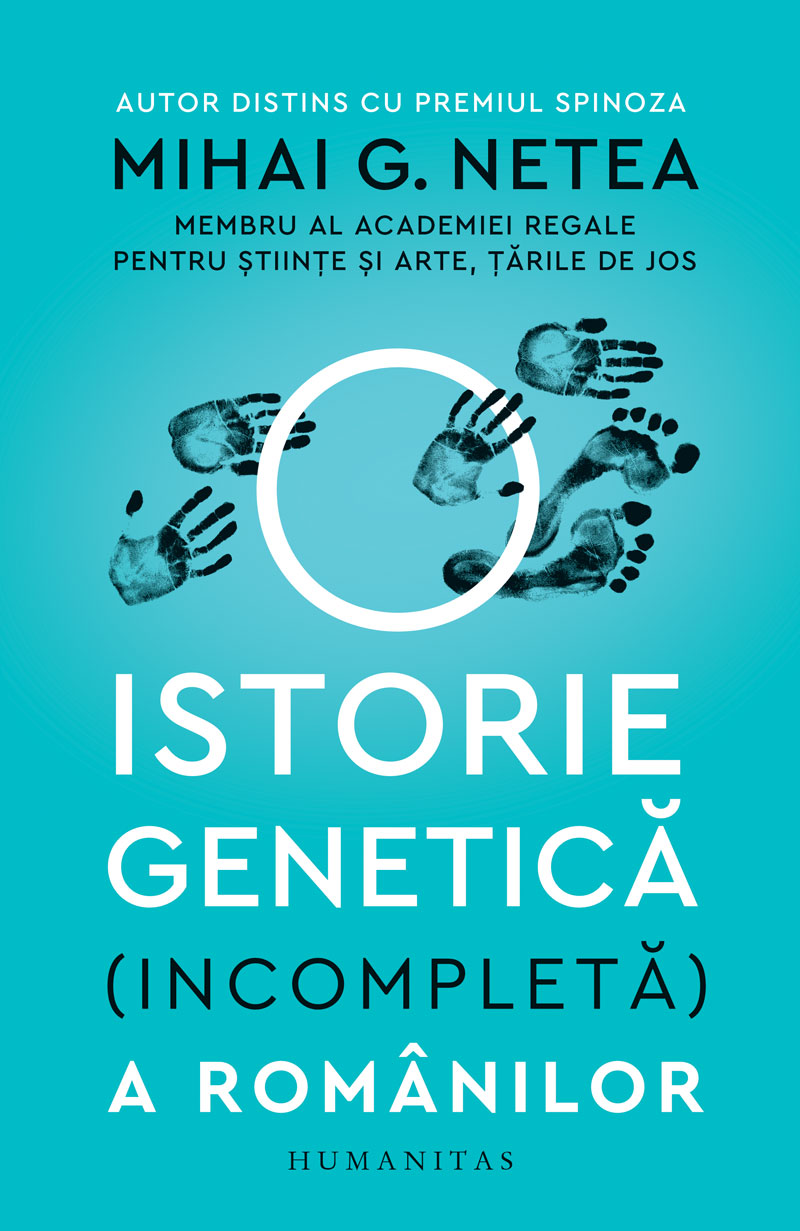
The field of science known as historical genetics now has a history of several decades. In fact, it is well known that the eugenicist movements started to link genetics with the science of history at the end of the 19th century, which a few decades later - in a much darker age, precisely as an early effect of eugenics - gave birth to the most terrible tragedies of the last century between 1933 and 1945. Historical genetics as we know it today - forgetting the traces of this dark past or sweeping it under the carpet - has achieved countless significant results since the 1980s, sometimes confirming the hypotheses of history and archeology based on written and unwritten sources, sometimes refuting them and taking them in a new direction directing the research. Historical genetics shakes spirits with new results almost every day and more than once calls historical science to self-examination: Ötzi, the iceman, although he died in Tyrol, may have been of Sardinian origin, the Etruscans and the Latins came to Italy from the steppes of today's Ukraine in the Bronze Age, the Hungarians already Even at the beginning of the Árpád era, it was considered a rather heterogeneous population, the ancestors of the Indo-Europeans can be found in Anatolia as early as the Neolithic , and the ten million euro ERC Syngergy Grant, which examines the historical genetic and archaeological connections of Central and Eastern Europe in the age of migrations (c. 400-900). With this in mind, it is perhaps understandable why the Romanian doctor and infectologist Mihai G. Netea's volume, entitled The (incomplete) genetic history of the Romanians (O istorie genetică incompletă a românilor, Editura Humanitas, Bucureşti, 2022 ), has become one of the most popular science popularization books of recent years. The volume sold thousands of copies and was very difficult to find in bookstores a few weeks after its publication. The volume's popularity may have been contributed by the fact that Mihai G. Netea gave several lectures on the topic in the last few years, which quickly spread in various social media networks. Although he has a medical degree, Netea has written a volume on the subject of history. He wanted to delve into the decades-old discipline of historical genetics, for the first time in Romania, in the form of an educational book, but this, as we shall see, is to be interpreted as a colossal failure. Going through the literature of Mihai G. Netea's volume, it is obvious that the vast majority are historical sources and not contemporary historical genetic studies. These mostly dominate in two chapters: the chapter describing the prehistoric age and the chapter dealing with the Hungarians. In the introduction to his volume, Netea tries to show the reader, with almost childlike naivety, that the contemporary concepts of "people", "nation", "national" are extremely complicated and consist of many components, using the example of stuffed cabbage. One of these is gastronomy, which also excellently shows in the case of the Romanians how many different influences have affected and shaped their gastronomy over the centuries - see the complicated Balkan-Turkish and Central European history of stuffed cabbage. However, in Netea's introductory chapter, it becomes clear that he does not have basic knowledge not only of history, but also of political science and sociology. The definition of the basic concepts – genetic population, people and national identity – would be essential in the case of such work. 

As archaeologist Bálint Csanád correctly stated: "to avoid dilettantish conclusions, let's state: geneticists' concept of population is not the same as historians' concept of people". A huge flaw in Netea's introductory chapter is the complete disregard for these concepts. In the absence of conceptual definitions and the complete disregard of the political historical phenomenon of the nation as a modern construct ("imagined communities", as defined by Benedict Anderson), Netea's volume practically does not even meet the most basic professional requirements. The following chapters of Netea try to present the different population genetic changes of the European Paleolithic, Mesolithic, Neolithic, Bronze, Copper, Iron Age, Roman Age, Age of Migrations, Middle Ages and Modern Age, following the chronological order of the history of Homo sapiens. There would be no problem with the structure if the author did not use such impossibility as "the Romanians 50,000 years ago". Netea's starting point is fundamentally correct: the genetic map of each individual carries a history of hundreds of thousands of years. Our cells contain the history of the "racial mixing" of Homo sapiens and Neanderthals (they really went through racial mixing at the beginning of prehistoric times), the genetic mutation of blue eyes and many diseases, the change in our skin color, the development of our diseases and disease tendencies. These are individual stories, which, however, are greatly influenced by the collective, Netea expands in the chapter dealing with prehistory - perhaps because a lot of general genetic studies on European populations and haplogroups were published for this age - and provides a lot of interesting medical details. This is his area of expertise: the effect of hundreds of thousands and millions of years of viruses and bacteria on human genetics. He's up to it, and you can feel it in the first few chapters. But when the volume reaches the end of the prehistoric age and the beginning of the historical age - from which a large number of archaeological and written sources are already known - the quality of the volume noticeably deteriorates. Since the genetic material of the groups living in today's Romania and the Carpathian Basin has only been researched in a few cases, Netea relies too much on historical sources when she always talks about prehistoric and ancient Romanians. His chapter on Dacians is the weakest. Being a culture that practiced cremation burials, the Dacians - which is a metahistorical concept in itself, commonly assumed several rival tribes already in antiquity, which were united by an elite for a shorter or longer period of time, although regionalities are also well documented (Gredistye–Székelyföld–Szilágy county) - historical genetic research would only be possible from a few special, exceptional burials. A Dacian burial with such a skeleton was found, for example, from the castle of Vajdahunyad, but the genetic analysis of the bones is still pending. Netea speaks of the Dacians as a single "people" (contradicting both the literary and archaeological sources) and the ancestors of the Romanians, despite the fact that only 4 of the 32 footnotes in this chapter cite historical genetic studies, and of those, only one study from 2019 is related to the Thracians. On page 105 of Netea's volume, he states that no genetic material is currently available for the Dacians. However, this does not prevent him from talking about Dacian-Roman synthesis in the next chapter. Netea is not doing anything else here, he is merely following the official historiographical line of the Romanian Academy - also from that the most conservative trend , which promotes Dacian-Roman continuity even after 1990. The chapter on the Roman period also mainly deals with the population genetics of the population of ancient Italy and the Etruscans (footnotes nr. 1-5, page 232.) during the Roman period, since there are no relevant Transylvanian-Dacian sources for this period either. The only study focusing on local genetic samples (Cocos et al. 2017) used contemporary genetic material and not samples from ancient Dacian or Roman (from Dacia) DNA.
Historical genetic studies on the population of Dacia province are sorely lacking, even though thousands of Roman graves have been excavated in the last century and a half. In the absence of these, it is difficult to talk about what proportion of the Romanian population today is "Roman". Perhaps it would have been worth quoting Balkan research from the Roman era, which precisely proves the high degree of genetic mixing and the subsequent Slavification. In a separate chapter, he deals with the period of migration, then with the Bulgarians, Hungarians and Kunks. Here, too, he basically relies on historical sources, since relevant genetic material and research was only done on the Hungarians, which he cites in detail, although he does not go into, for example, the genetic characteristics of the early medieval Transylvanian Hungarian and later Hungarian-Romanian population. Netea states that the conquering Bulgarians, Hungarians and Kuns merged very early with the contemporary population of the region (Avars, Slavs, post-Roman, Neo-Latin groups), the genetic effects on the Romanians were minimal at this age. This is certainly true, but we still do not know - and this is not clear from his book - who the Romanians are. Of course, the question is really meaningless from a genetic point of view, since "genetic Romanians" hardly exist. The title of the volume is also completely wrong, and it does not deliver what it promises: in order to map the genetic history of a population (in this case, the Romanian-speaking inhabitants of contemporary Romania, who identify themselves as Romanian), a sufficient amount of data would be needed. Did the author have this available? Unfortunately not. So writing about genetic history is fiction in this case as well. It is an even bigger problem that what Netea does in this volume is not a historical population genetics analysis, but rather a confused mixing of archaeological, historical, historiographical, ethnographic and linguistic traditions and sources with some contemporary results of historical genetics. The, Finally, Netea depicts the genetic history of Romanians in a pyramid (on page 215), which reveals (sic!) that Romanians genetically mostly (98 percent) have the genetics of Homo sapiens, 2 percent of which includes the genetics of Neanderthals and Denisovans (as most likely to all Europeans). They also have genetics from Stone Age agricultural groups (50 percent), prehistoric gatherers (30 percent), and Indo-European herders (or 20 percent). It is not clear where the author gets these data and ratios from, nor exactly with which haplogroup these tiny differences can be detected in the large genetic material of, for example, the Romanian population and other contemporary populations. In the third layer, it doesn't even give proportions anymore, it just marks the dice with upper and lower case letters, Romans (whatever this legal term means anyway), Slavs, Hungarians, Kuns and Roma. He barely mentions Greeks, Jews, Turks, Armenians, Tatars, Aromanians, Macedonians, modern-day Serbs, Bulgarians, Hungarian-Romanian, Székely-Romanian admixture (for example, the Csangós) and considers them marginal. Unfortunately, Mihai G. Netea's volume does not correspond to the methodology of the genetics of the story, nor to the vocabulary of archeology and historical sciences. It projects a modern image of the nation onto a population genetics for which there is basically no data from most historical periods. To my heart, I interpret Netea's volume as an example of the new metahistory resulting from the symbiosis of natural sciences and history, which I am afraid will open a new trend on the contemporary book market. However, all this apparently does not affect the popularity of the book, which continues to lead the sales lists of the Humanitas publishing house.

2022. augusztus 1., hétfő

Zsebkalauznyi Róma: várostúra 3-4 nap alatt

 Rómában először 2010-ben voltam két egyetemi barátommal. Pénzünk nem volt, de akkor jöttek divatba a fapados repülőjáratok és nagyon olcsón találtunk repjegyet. Régi álmunk vált valóra, hisz mindhárman az ókori Róma történetével, régészetével, tárgyi és szellemi örökségével foglalkozunk, ez gyerekkori vagy kamaszkori szerelem volt mindhármunknak. Egy római korra szakosodó, ebből élő, ezért élő embernek Róma több, mint egy átlagos európai kiruccanás, kirándulás. Olyan ez, mint egy IT-snak a Szilikon Völgyében gyakornoki poziciót kapni vagy egy csillagásznak a NASA-ba jutni. Róma nekünk a Caput Mundi, a világ közepe, a zéró kilóméterkő ahonnan Európa történetét irányitották évszázadokon át. 

2010-ben csupán néhány napot töltöttünk ott, de életre szóló élmény maradt. Talán nem véletlen, hogy mindhárman azóta is a szakmában dolgozunk még, igy vagy úgy, ami sajnos generációm esetén a kivételnek számit. 

2013-ban aztán rámköszönt a szerencse csillaga, Fortuna bőségszarúja: egy Campus Hungary ösztöndijjal hét hónapot tölthettem az Örök Városban. Leirni is nehéz, mennyi élményt gyűjtöttem ott össze, nem túlzás azt mondani, hogy 34 évem legszebb hónapjai voltak azok. Több posztot készitettem akkor ezen a blogon is.

A 2013-as élmény olyan erős volt, hogy azóta függőként, szinte évente kell Rómát látogassam. Voltam 2014-ben a tesómmal és néhány pécsi kollégával, 2016-ban egy konferencián, 2019-ben ismét egy hónapot ahol 20 ismerőssel és baráttal sikerült ott találkozni, 2021-ben egy szebeni barátommal néhány napot.  Idén úgy néz ki, ismét meglátogatom néhány napra az Örök Várost.


Római élményeimet egy rövid brosúrában foglaltam össze, amelynek irásos anyaga megjelent a Szabadság kolozsvári napilap 2019 szeptemberi számaiban. 

A brosúra - saját fotóimmal - letölthető ITT. 

Palatinus 2013
Pantheon 2021


Trastevere 2013

Vatikáni lapidarium - 2010