A következő címkéjű bejegyzések mutatása: cultural identity. Összes bejegyzés megjelenítése

2015. június 4., csütörtök

Nyilt levél a magyar szóért


Tisztelt polgármester Úr, dr. Emil Boc!

A kincses város egykori egyetemistájaként és nagy tisztelőjeként éveken át jártam a város utcáit és merengtem el a Majális utca, a Trefort dűlő vagy az Erzsébet utca gyönyörű épületein, Pákey Lajos és Moll Elemér hagyatékán. Számos barátomat és idelátogató egyetemistát Új - Zélandról, Szingapúrból, Németországból, Magyarországról, New Yorkból, Spanyolországból vagy Franciaországból kalauzoltam Kolozsváron. Mind el voltak ragadtatva a város történeti
sajátosságaitól, multikulturalizmusának ma is élő pezsgésétől és attól a magyarok, szászok majd románok által létrehozott építészeti és szellemi örökségtől, amelyben Ön és politikustársai ma is dolgoznak, kutatnak, szórakoznak és élnek.
Most, az egyre népesebb diaszpóra tagjaként, azt kell olvasnom a romániai sajtóból, hogy annak a városnak a vezetősége, amelyik elvileg mindent megtesz, hogy Kolozsvárból Európa kulturális fővárosa legyen és amely város idén Európa ifjúsági fővárosaként büszkélkedik, nem képes tisztelni és kellő alázattal kezelni városának valódi múltját és jelenét. Ez ugyanis azt feltételezné, hogy igyekszenek megismerni és elismerni Kolozsvár történeti sajátosságait és jelenlegi szellemi összetételét. Ha tetszik, ha nem, ha akarják, ha nem a városban ma is naponta találkoznak és fognak még nagyon sokáig magyarokkal és a magyar szóval, nyelvvel és kultúrával szembesülni. Magyar egyetemisták ezrei tanulnak és élnek ma is az Önök által vezetett város évszázados falain belül, akik közül néhányan talán világhírű kutatókká válnak évek múltán és legméltóbb követei lesznek a kincses város régi hírnevének, hirdetve Klausenburg, Kolozsvár, Cluj nevét a világ legkülönbözőbb tájain. Európai politikusként Önnek és munkatársainak egyetlen nagy feladata és felelőssége van, mégpedig ennek a multikulturális örökségnek és nagyon is jelenlevő, aktuális jelennek a feltétel nélküli tisztelete és odaadó, tudatos építése lenne. A büszke erdélyi „servus” (servio, servire – szolgálni), amelynek jelentőségéről nemrég a város kiemelkedő értelmiségije, Ioan Aurel Pop is külön előadást tartott, Önnek és a városatyáknak naponta meg kellene kongatnia a vészharangot, hogy Kolozsvár elöljárójának lenni egyet jelent a magyar, német és román kultúra együttes és egyenrangú tiszteletével.
Számomra érthetetlen és mélységesen elszomorító, hogyan tudja Ön elfogadni azt a számunkra, magyarokra nézve megalázó és a város kultúrpolitikájával szöges ellentétben lévő jelenséget, amely jelenleg a város határában történik. Hogyan lehetséges az, hogy a többségében magyar turisták által látogatott, több, mint tizenöt százalékban magyarok által lakott és több ezer magyar befektetőt és egyetemistát vonzó erdélyi kulturközpont határában koreai és francia nyelven is üdvözlik az ide látogatót, de az Európai Unió egyik hivatalos nyelvén, magyarul, nem? Szégyenteljes jelenség, a városhoz és Önökhöz is méltatlan. De leginkább az Önöket megválasztó és bizalmat szavazó magyarok ezreinek jelent ez súlyos sértést és szellemi bántalmazást.
Mint a kincses város egykori diákja, nagy csodálója és visszavágyó elszármazottja, bízom abban, hogy Ön és politikustársai azonnal változtatnak ezen a szégyenteljes, a városhoz és magyar lakosaihoz méltatlan helyzeten.

Üdvözlettel,

Szabó Csaba
Régész, vallástörténész
Erfurt, 2015. június 3.

2015. január 30., péntek

A Hungarian from Romania: what is that?

This is a frequent question, what I get in a foreign country. Sometimes only from students, but it happens that even intellectuals surprise me with their confusion. This means of course, that most of the people have no idea about European history and instead of reading a little bit about the social and historical reality of the Old Continent, we are just blaming Americans, that they don't know geography and history. But do we know each other at least?

So: Hungarian from Romania. What is that? I could answer this question with one short word: it is a Transylvanian! But this is again, not true. First of all, because Transylvania is a problematic notion, having different geographical definitions  during its long, more than 1000 years old history (history of this notion, as political and historical reality / the area of course, has a much longer history). Secondly, because not all of the people from the "modern" Transylvania (everything which is inside the Carpathian basin on the territory of Romania) are Hungarians! There are 80% Romanians and numerous other ethnic and cultural groups, with their own special identity (Gypsies, Germans - Saxons and Schwabish-, Armenians, Jewish, Turkish, Serbians, Croatians, Slovakians, Polish, Ukrainians, etc). And thirdly: because there are Hungarians in Romania outside of Transylvania too (not so much, however as in the 1930's when Bucuresti was named as the "second biggest Hungarian city"). So...the situation seems more difficult, than it seems.
But, lets try at least.

Hungarians in Romania in 2002
A Hungarian from Romania, is a Romanian/Hungarian citizen (we can have now dual citizenship) who speaks Hungarian, as a mother language (it means: at home, with his friends, in the elementary, high school and even faculty), Romanian as a second, state language (in most of the cases, however older generations have problems speaking the language of the state) and identify himself par excellence, as a Hungarian. Yes, you get it: the key concept is: identity. Identity is, very simple: who you are, how you identify yourself as a cultural, human being? For this question, we answer very simply: Hungarian from Romania (or Transylvanian  - if we came from this area of the country). For us, citizenship and nationality, two legal words from the Anglo-Saxon and French legislative literature and cultural tradition, are totally different notions: citizenship is a legal, constitutional term and status, while nationality is more a cultural concept, close to identity. In this sense, we are Romanian citizens and Hungarians, as nationality.

It is not that strange and unique  - or problematic - as many Romanians or some foreigners think. Europe - due to its long and problematic history - is full with ethnic and cultural minorities and a great amalgam of identities. In many cases, they have their autonomous territory or special laws protecting their cultural heritage and identity. Hungarians in Romania - however a part of them, the Szeklers (Székelyek) are living in a compact area - doesn't have yet a territorial autonomy. 
A person, can have of course numerous identities. There are lot of shades of grey, as we know. 

What the Hungarians do in Romania? Another frequent question from foreigners. Well, read history
please. But, saving your time: Hungarians arrive in the Carpathian Basin in the 9th century A.D. and till 1920, they represent the political and administrative power in this area. That means, more than 1000 years of presence and cultural heritage. However, in numbers, they are minorities already in the 17th century in Transylvania (the majority being the Romanian population). There is a big difference of minorities, as diaspora and recent immigrants in Europe and a historical minority. Another notion, which is useful to learn. 
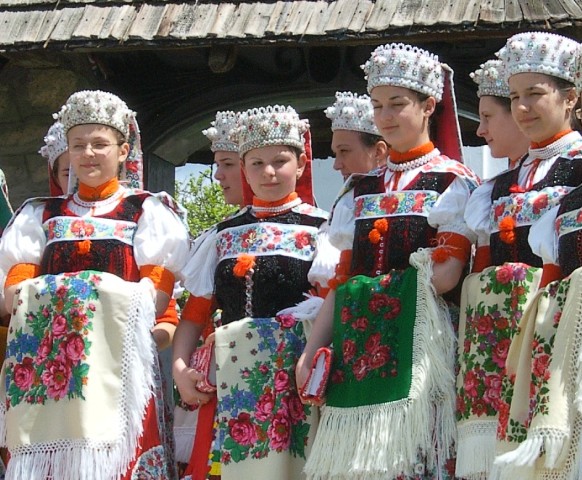
However, the differences between a Romanian and Hungarian from Romania are sometimes emphasized by politics and corrupt mass media, the reality is, that Romanians born in Transylvania are good friends of Hungarians. We share a thousand years long common history, similar melodies and vestments in traditional folklore, similar fairly tales, lot of words changed and exchanged in our language and numerous mixed families exist. 

I wish, that not only Romanian politicians, but the average tourist who visit Transylvania, this amazing part of Europe will understand, how the hell is possible, that you are in Romania, and you can hear sometimes the same language, as in Budapest.